Quality Certification
Our company has passed work safety standardization certification, ISO 9001-2008 international quality management system certification, OHSAS 18000 occupational health and safety management system certification, as well as Germany TUV "GS" product safety certification, IIW international welding certification, SGS certification, EU Construction Products Regulation (CPR) certification, and UK BS 1139 certification.
Advanced Production Equipment
Our factory is equipped with CNC shearing machines, fully automatic welding robots, semi-automatic gantry welding machines, punching machines, hot-dip galvanizing production lines, shot blasting cleaning machines, etc.
Global Markets
It launched export business in 2024, with products sold to Canada, Australia, the five Central Asian countries, the Middle East, Southeast Asia and other regions.
End-to-End Service
The company's professional technical team provides comprehensive, closed-loop services covering every stage—from initial solution design consultation, customized technical adaptation, and on-site installation guidance, through to post-implementation operations and maintenance support.
Scaffold Tubes
Scaffold tubes are essential components used in the construction and maintenance of scaffolding systems.
Seamless Steel Pipe
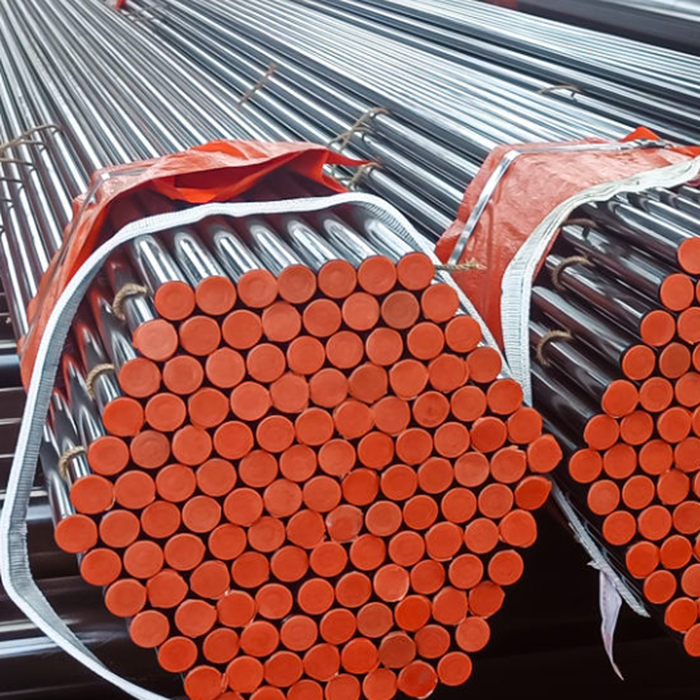
As a seamless steel product, the pipe boasts superior tensile strength and impact resistance compared to welded pipes.

Welded Steel Pipe
Welded steel pipe is a core component of high-end scaffolding systems, designed for high-intensity construction, renovation, and maintenance projects.
Galvanized Scaffolding Pipe
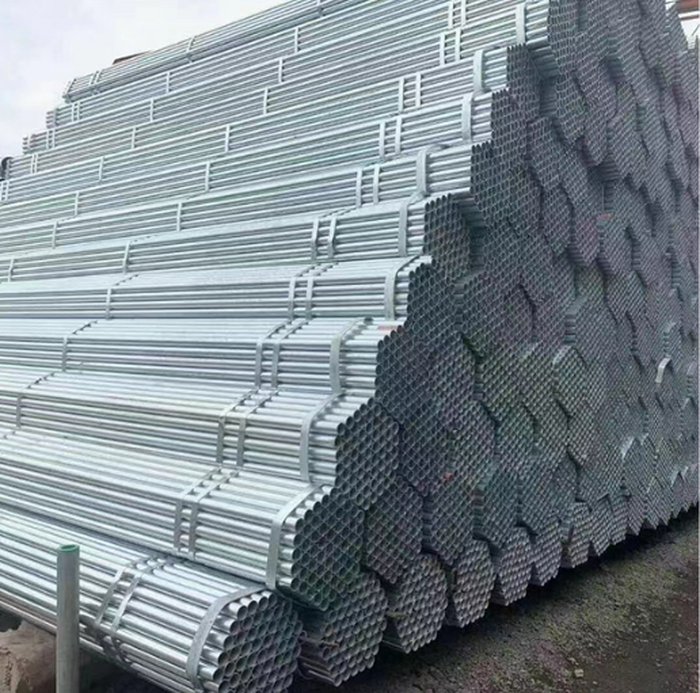
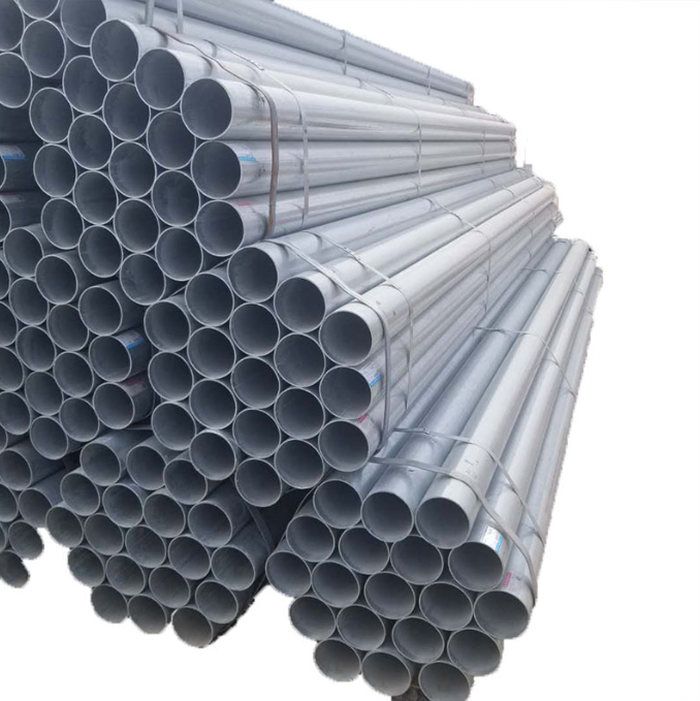
Galvanized scaffolding pipe is a core component designed for high-demand construction, renovation, and maintenance projects.
|
Product name |
Steel pipe |
|
Material |
High-Quality Carbon Steel (Q235B/Q355B) |
|
Outer Diameter |
48.3mm / 60mm (Standard) / Customizable |
|
Wall Thickness |
2.75mm / 3.0mm / 3.25mm / Customizable |
|
Length |
3m / 4m / 6m / Customizable (1m-12m) |
|
Tensile Strength |
≥ 400MPa |
|
Applicable Accessories |
Fixed Couplers, Swivel Couplers, Cross Braces, Base Plates, Guard Rails, etc. |

Surface treatment is performed to protect steel pipes from corrosion and wear. Some common surface treatments include:
Galvanizing: The surface of the pipe is coated with a layer of zinc to prevent corrosion.
Coating and Painting: Steel pipes can be coated with protective layers such as epoxy, polyethylene, or paint to provide additional resistance to corrosion, chemicals, and abrasion.
These treatments extend the lifespan of steel pipes, especially in environments where they are exposed to moisture, chemicals, or harsh weather conditions.
Strength and Durability: Steel pipes are known for their exceptional strength and durability. Steel pipes can withstand extreme temperatures, harsh environmental conditions, and external forces, making them suitable for both above-ground and underground installations.
Corrosion Resistance: Steel pipes are highly resistant to corrosion, which is a common concern in many industries. They are often coated with protective materials such as galvanization, epoxy, or polymer coatings to enhance their resistance to rust and corrosion.
Cost-Effective: Steel pipes are cost-effective in terms of both initial installation and long-term maintenance. Compared to other materials like copper or plastic, steel pipes have a lower material cost, making them a more economical choice, especially for large-scale projects.
High Flow Capacity: Steel pipes provide excellent flow capacity for fluid transportation. Their smooth interior surface offers low frictional resistance, allowing for efficient flow of liquids or gases.
Fire Resistance: Steel pipes are inherently fire-resistant, making them a safe choice for applications where fire protection is crucial. They do not contribute to the spread of flames or release toxic fumes when exposed to fire.
Resistance to External Factors: Steel pipes are resistant to external factors that can impact their performance. They can withstand seismic activity, ground movement, and soil shifting without deformation or failure.
Construction
Steel pipes are extensively used in the construction industry due to their strength and continuity. They're generally used in structural fabrics, scaffolding, and indeed in the foundation of structures.
01
Oil and Gas Industry
Steel pipes are significant in the oil and gas sector. They are mainly used to transport gas, oil, and other fluids over long distances, both underwater and underground.
02
Water Supply Systems
Steel pipes are an essential element of water force systems, furnishing a robust and leak-proof way to transport water from treatment shops to homes and businesses.
03
Manufacturing
Steel pipes are also used in various manufacturing processes, including the production of machines, automotive parts, and other equipment. The intense heat aversion of steel allows it to be used in processes that require extreme heat, such as in boilers or chemical plants.
04
Automotive and Aerospace Industries
Steel pipes serve diverse functions in aerospace and automotive industries, ranging from hydraulics to exhaust components. Their durability, adaptability, and heat resistance make them well-suited for such challenging applications.
05
The Main Raw Materials for Steel Pipes
The manufacturing of steel pipes involves the utilization of specific raw materials that adhere to stringent quality standards. The primary raw materials used are:
Iron Ore:
Iron ore is the fundamental raw material necessary for producing steel pipes. It is mined from the earth and goes through a complex extraction and processing process to obtain the iron needed for steel production.
Carbon Steel:
Carbon steel is predominantly used in manufacturing steel pipes due to its high strength and excellent weldability. Carbon steel contains varying amounts of carbon, which determines its strength and other mechanical properties.
Alloying Elements:
Steel pipes are enhanced by the addition of various alloying elements such as manganese, nickel, chromium, and molybdenum in addition to carbon. These elements serve to improve important properties such as corrosion resistance, strength, hardness, and heat resistance.

Ensuring the quality of steel pipes is a critical aspect of the manufacturing process. We will implement strict quality control measures at every stage of production. Some of the key quality control processes include:
Non-Destructive Testing (NDT):
Techniques such as ultrasonic testing, radiographic testing, and magnetic particle inspection are used to detect defects or irregularities in the pipes without damaging them.
Dimensional Inspection:
The dimensions of the pipes, such as diameter, thickness, and length, are carefully measured to ensure they meet the required specifications.
Hydrostatic Testing:
The pipes are filled with water and subjected to high pressure to test their strength and ensure they can withstand the intended operating conditions.

|
Warranty |
3 years against manufacturing defects |
|
Delivery Time |
15–25 days depending on quantity |
|
Payment Terms |
30% deposit, 70% before shipment |
|
Support |
Technical drawings and installation guidance provided |
|
MOQ |
100sets (mixed models accepted) |
|
Packaging |
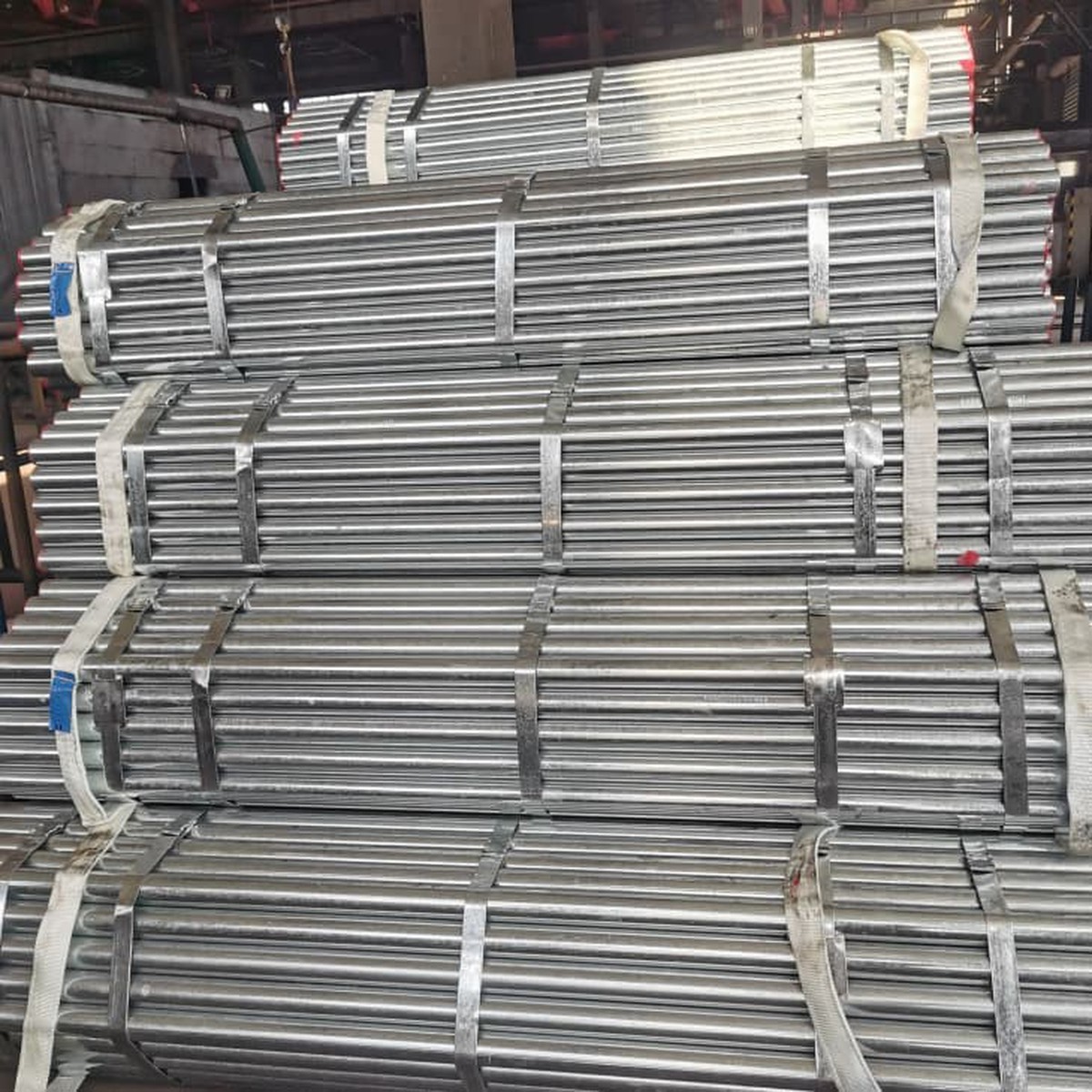
We use steel strapping reinforcement and standard export pallets for packaging. We can also package the goods according to customer requirements. |
|
Shipping Method |
Sea or land freight, in accordance with customer requirements. |

The company has an independent production base located in Tangshan, Hebei Province, covering an area of 300000 square meters.


As one of the leading steel pipe manufacturers and suppliers in China, we warmly welcome you to buy cheap steel pipe in stock here from our factory. If you have any enquiry about customized service, please feel free to email us.
Galvanized Scaffolding Pipe, Seamless Steel Pipe, steel pipe